


Holiday Depression and Anxiety: Why It’s Okay Not to Feel Okay
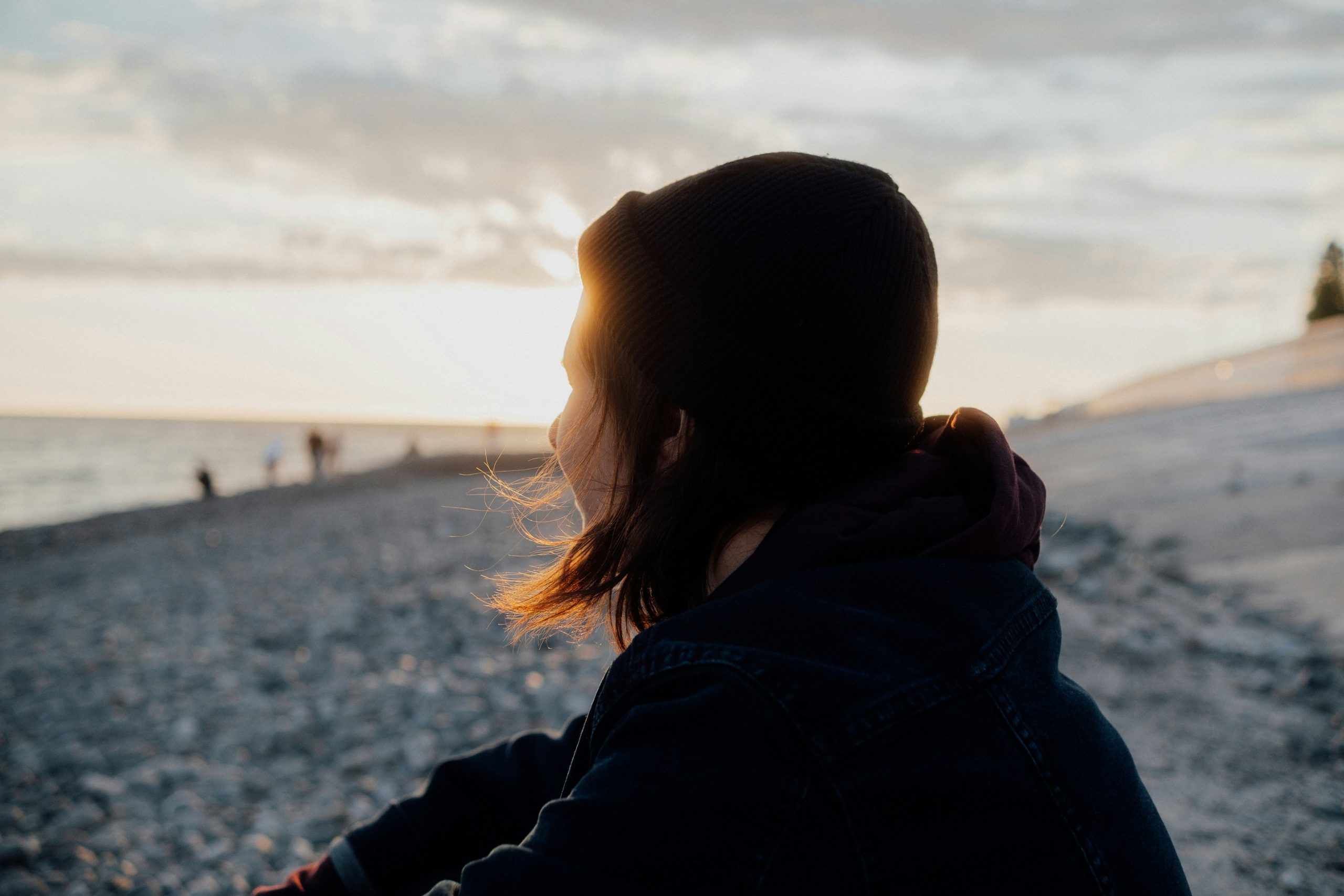
The holiday season is often portrayed as joyful, cozy, and full of connection. But for many people, it’s also a time of heightened stress, grief, and loneliness. If you’ve ever wondered why you feel worse instead of better during the holidays, you’re not alone. For some it truly is not the most wonderful time of the year.
Here in Bellingham and Whatcom County, I regularly meet clients who quietly dread this time of year. The pressure to be cheerful, the financial strain of gift-giving, and the disruptions to routine can amplify symptoms of depression and anxiety. Add to that the long, dark winters of the Pacific Northwest, and it’s no surprise that many people struggle.
And it’s not just here—clients in Colorado often share similar challenges. While Colorado’s sunshine can be a buffer, the holiday season brings its own stressors, especially in urban centers like Denver or Boulder where busyness and financial strain feel amplified. In both regions, the holidays often highlight how widespread these struggles really are.
Why It Happens
Research shows that the holiday season can increase psychological distress. A survey found that 64% of people with mental health concerns reported the holidays made their condition worse (National Alliance on Mental Illness, 2014). Factors include:
- Social pressure and comparison: Unrealistic expectations from family or social media.
- Financial stress: Spending more than usual contributes to anxiety (Kasser & Sheldon, 2002).
- Seasonal changes: Reduced sunlight in winter months can impact mood and energy (Melrose, 2015).
Recognizing these factors helps normalize the experience—you are not weak or “broken” for feeling down during the holidays.
How to Support Yourself
Here are three ways to ease depression and anxiety during the holiday season:
- Set gentle boundaries. It’s okay to say no to events that overwhelm you or to scale back on traditions that don’t serve your well-being. Prioritizing rest and recovery is not selfish—it’s necessary.
- Stay connected in small ways. Even brief, meaningful interactions—like calling a trusted friend or attending a local support group—can buffer against loneliness.
- Seek natural light and movement. A short walk outside, especially during rare sunny hours in Bellingham’s winter, helps regulate mood and circadian rhythm.
A Local Perspective
Living in the Pacific Northwest, we face long stretches of gray skies and limited daylight. This can intensify symptoms of depression and anxiety during the holidays. But it also means we have unique opportunities: peaceful walks by Bellingham Bay, quiet time on the Interurban Trail, or moments of reflection near Whatcom Falls. Sometimes healing begins in small, local practices that ground us in our own community.
An Invitation
If you’re struggling with depression or anxiety during the holidays, know that you are not alone—and you don’t have to navigate it in silence. Therapy can provide space to process the pressure, grief, and overwhelm of this season while also discovering strategies that support you year-round.
If you’re in Colorado, Bellingham or anywhere in Washington via online counseling, I’d be honored to walk with you. Reach out today, and let’s find ways to bring compassion and stability into this holiday season.
References
- Kasser, T., & Sheldon, K. M. (2002). What makes for a merry Christmas? Journal of Happiness Studies, 3(4), 313–329.
- Melrose, S. (2015). Seasonal affective disorder: An overview of assessment and treatment approaches. Depression Research and Treatment, 2015, 178564.
- National Alliance on Mental Illness (2014). Holiday blues survey. https://www.nami.org