


How Therapists Hold Space for Doubt, Anger at God, and Spiritual Crisis
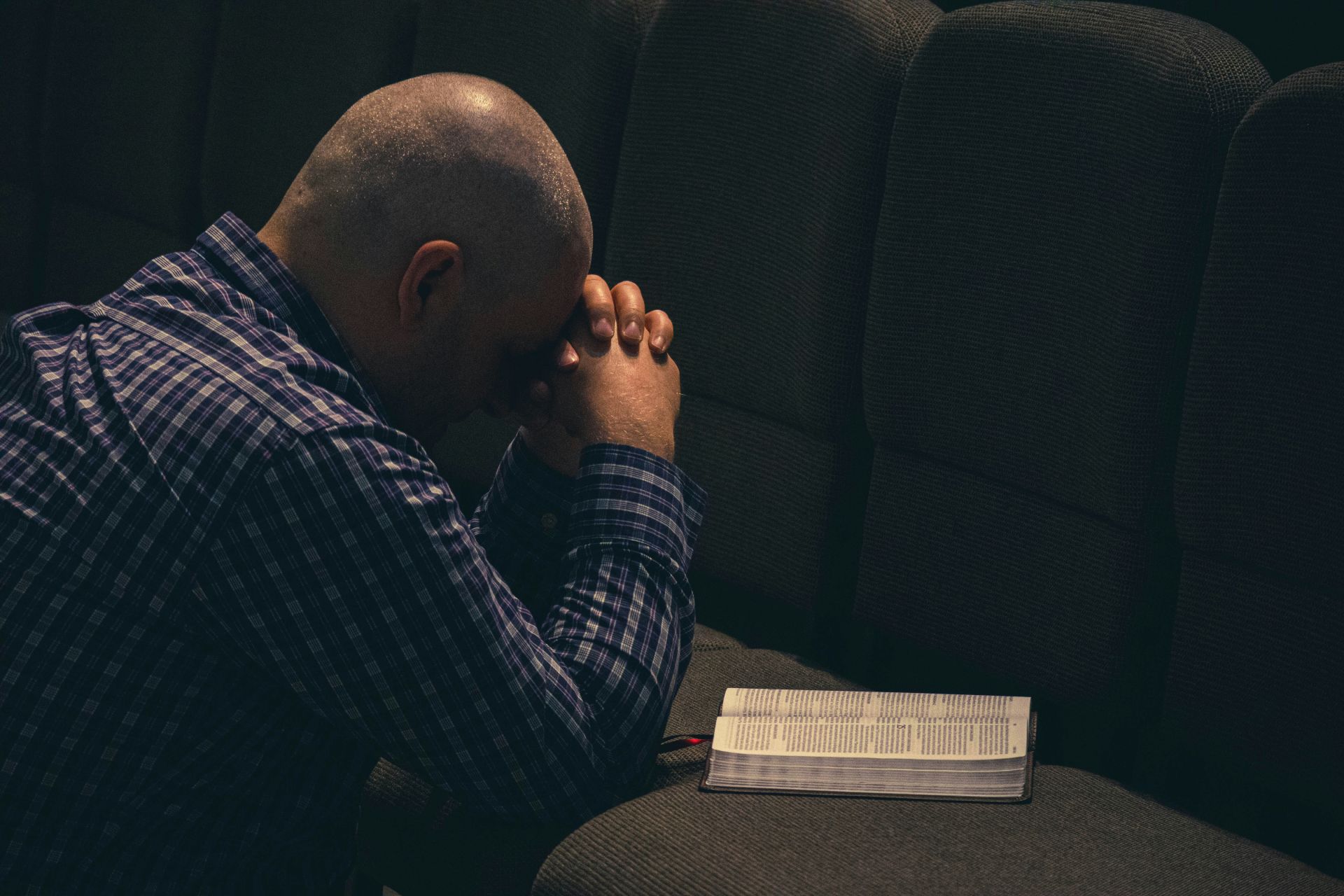
Many people come to therapy holding something they’ve never said out loud:
“I’m not sure I believe anymore.”
“I think I’m angry at God.”
“If I’m honest about this, will something bad happen?”
Spiritual struggle is often quiet, private, and heavy. Therapy can be one of the few places where it’s finally safe to name it.
What therapists are really doing in moments like this
When therapists hold space for doubt, anger at God, or spiritual crisis, they aren’t doing theology. They’re creating safety.
That often looks like:
- Letting doubt exist without rushing toward answers
- Allowing anger at God without labeling it as wrong or dangerous
- Exploring grief, loss, or betrayal beneath spiritual pain
- Allowing for spaces of unbelief while deeply attuned to the person
Spiritual struggle isn’t treated as a problem to solve—it’s treated as a human response to suffering.
What research tells us
Research in psychology and mental health supports this kind of approach:
- Spiritual struggle is common during suffering.
a. Studies in the psychology of religion show that doubt, anger at God, and loss of faith often increase during trauma, illness, and major loss. These reactions are associated with distress—but they are also normal responses to pain and unanswered questions. - Suppressing doubt and emotion increases distress:
Research on emotional suppression consistently finds that pushing away or judging internal experiences—including spiritual questions—tends to increase anxiety, depression, and physiological stress over time. - Nonjudgmental support improves emotional resilience
Therapeutic approaches that emphasize acceptance, meaning-making, and autonomy are linked with greater psychological flexibility, lower shame, and improved mental health outcomes.
In other words: being allowed to wrestle matters.
Gentle reminders if you’re in a spiritual crisis
If you’re walking through doubt, anger at God, or a faith rupture, these may help:
- You don’t have to resolve your beliefs to begin healing
- Anger often points to grief or broken trust, not failure
- Stepping back from spiritual practices can be protective
- Your nervous system may need safety before insight
- You are allowed to use your own words for what you’re experiencing
Nothing about this means you’re doing it wrong.
Therapy as a place for spiritual honesty
Good therapy doesn’t push belief—or disbelief.
Whether your path leads back to faith, toward a new understanding, or somewhere you didn’t expect, therapy offers a steady place to tell the truth without pressure or agenda.
You don’t have to tidy up your questions before you come.
An invitation
If you’re struggling with doubt, anger at God, or a spiritual crisis that feels lonely or confusing, therapy can offer something simple and grounding: a place to be honest and supported at the same time.
I offer therapy for spiritual crisis, religious trauma, and faith-related distress for adults in Bellingham, Whatcom County, and throughout Washington State via secure telehealth. Many of my clients come from Christian, spiritual-but-not-religious, or formerly religious backgrounds and are looking for a therapist who can sit with uncertainty without judgment.
If you’re curious about working together, I invite you to reach out and start a conversation.
Therapy for Spiritual Crisis in Bellingham & Washington
I provide therapy for spiritual crisis, religious trauma, doubt, and faith-related distress in Bellingham, Whatcom County, and throughout Washington State via secure telehealth. My approach is gentle, trauma-informed, and respectful of each client’s spiritual autonomy.
People often seek this work when they feel stuck between belief and disbelief, longing and anger, or faith and fear. Therapy offers a grounded place to explore these questions without pressure to resolve them.
If you’re looking for a Bellingham therapist or Washington State telehealth counselor who can sit with uncertainty, doubt, and spiritual pain, you’re welcome to reach out and begin a conversation.
Research & Sources
- Pargament, K. I., Smith, B. W., Koenig, H. G., & Perez, L. (1998). Patterns of positive and negative religious coping with major life stressors. Journal for the Scientific Study of Religion, 37(4), 710–724.
- Pargament, K. I., & Exline, J. J. (2013). Religious and spiritual struggles. In K. I. Pargament (Ed.), APA Handbook of Psychology, Religion, and Spirituality (Vol. 1). American Psychological Association.
- Gross, J. J., & John, O. P. (2003). Individual differences in two emotion regulation processes: Implications for affect, relationships, and well-being. Journal of Personality and Social Psychology, 85(2), 348–362.
- Hayes, S. C., Strosahl, K. D., & Wilson, K. G. (2012). Acceptance and Commitment Therapy: The Process and Practice of Mindful Change. Guilford Press.